Solving The Credibility Gap
Creative Operations Director, Exclusive Marketing Agency
Summary
I led teams on a fast-growing agency with high client churn rates and poor public perception caused by broken creative operations. I rebuilt the team's structure, workflows, and client communication procedures.
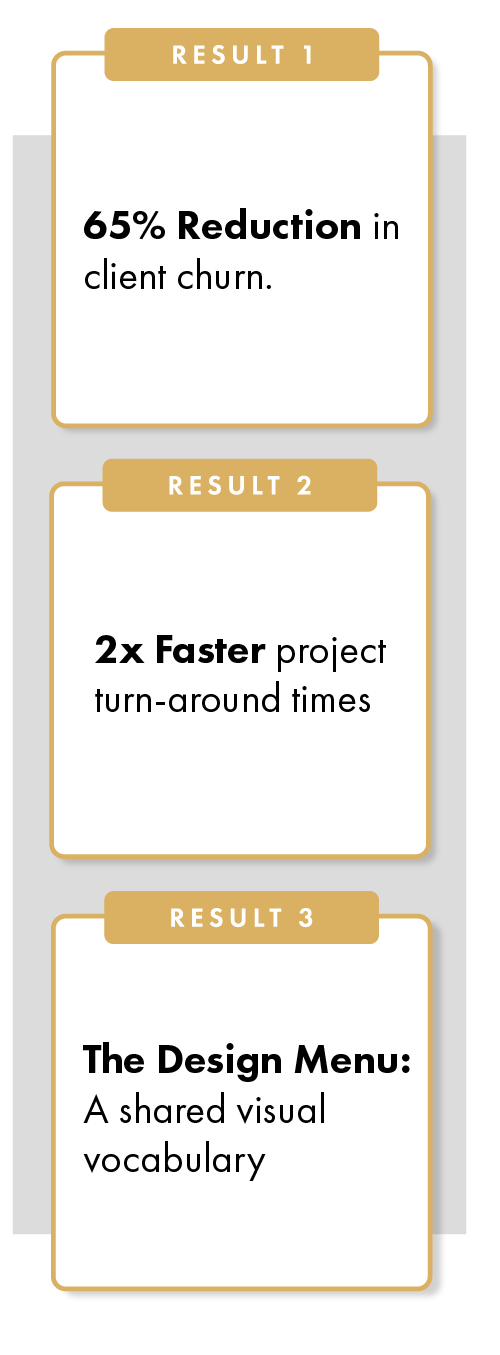
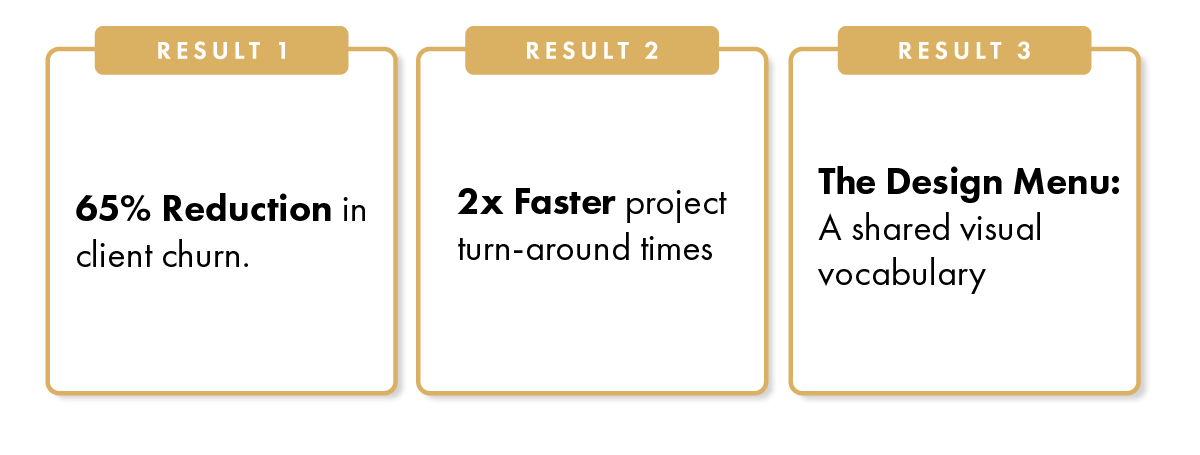
My overhaul dropped churn to 6% from 17%, proving brand trust is built as much by behind-the-scenes systems as it is by output.
When I arrived at Exclusive Marketing Agency, I entered a high-octane environment that was fast-paced and energetic, but structurally unsound. The agency’s target market was real estate agents and mortgage brokers, a notoriously demanding crowd. The CEO was an ambitious salesman who promised his clients the moon. His goal was to grow the business to monumental levels in record time.
Exclusive Marketing Agency was a vehicle built around a sports car’s engine, a powerhouse for rapid client acquisition. The problem was the rest of the car. The agency’s underlying architecture repeatedly failed to support its own velocity. Systems, processes, and delivery frameworks were either nonexistent or woefully underdeveloped, creating a massive gap between what clients were sold and what the agency could actually execute. 17% monthly client churn was the norm, with the average customer jumping ship before the 90 days mark. 30% internal turnover was expected every quarter. Scope creep and missed deadlines were inevitable. EMA infamous in the industry.
My mandate as Creative Operations Director was clear: engineer a vehicle that could withstand the engine’s power. It was useless to fix what was already in place; there were too many rusty holes and missing parts. A total structural overhaul was required, one that aligned the creative team’s output with the agency’s aggressive growth trajectory. My team had to not only meet, but exceed our clients’ expectations.
I was primarily responsible for the creative team, consisting of 5 to 10 outsourced designers, depending on the season. The creative team faced three primary issues: quality, communication, and timeliness. I decided to tackle quality first. What’s the point in delivering an asset on time if it doesn’t perform? A discovery session with the design team revealed the problem.
EMA offered creative services including logo design, websites, ad campaigns, animation, business cards, branded documents and more. Designers were treated as generalists; they were assigned to projects based on workload and availability, not skill or specialty. I halted this practice and assessed each designer’s strengths, weaknesses, experience, and career goals. Then I matched designers to projects they enjoyed and excelled at. The quality of deliverables improved almost overnight, as did the designers’ speed. Timeliness issues resolved themselves once designers were working on tasks they felt comfortable and confident handling. Coupled with refinements to the blueprints and processes on our productivity platform (updating task statuses, streamlining handoffs, and developing standardized request forms), I cut project times in half while increasing asset quality, dropping client churn from 17% to 6%.
With quality and speed up to par, I turned my focus to communication. One of EMA’s primary issues was the flow of assets and information between teams, clients, and back again. On the creative side, everyone was speaking a different language. Clients lacked basic design terminology and often asked for things they didn’t want, leading to constant misunderstandings. I solved this by creating a visual menu to reference in discovery meetings. Example designs were clearly named, numbered, and divided into categories. No longer were we using vague terms like “eye-catching” or “professional” with clients. Instead, we could all point to specific listings on the design menu — “I like the swoop of the letter C in design U6” — and start the conversation from there.
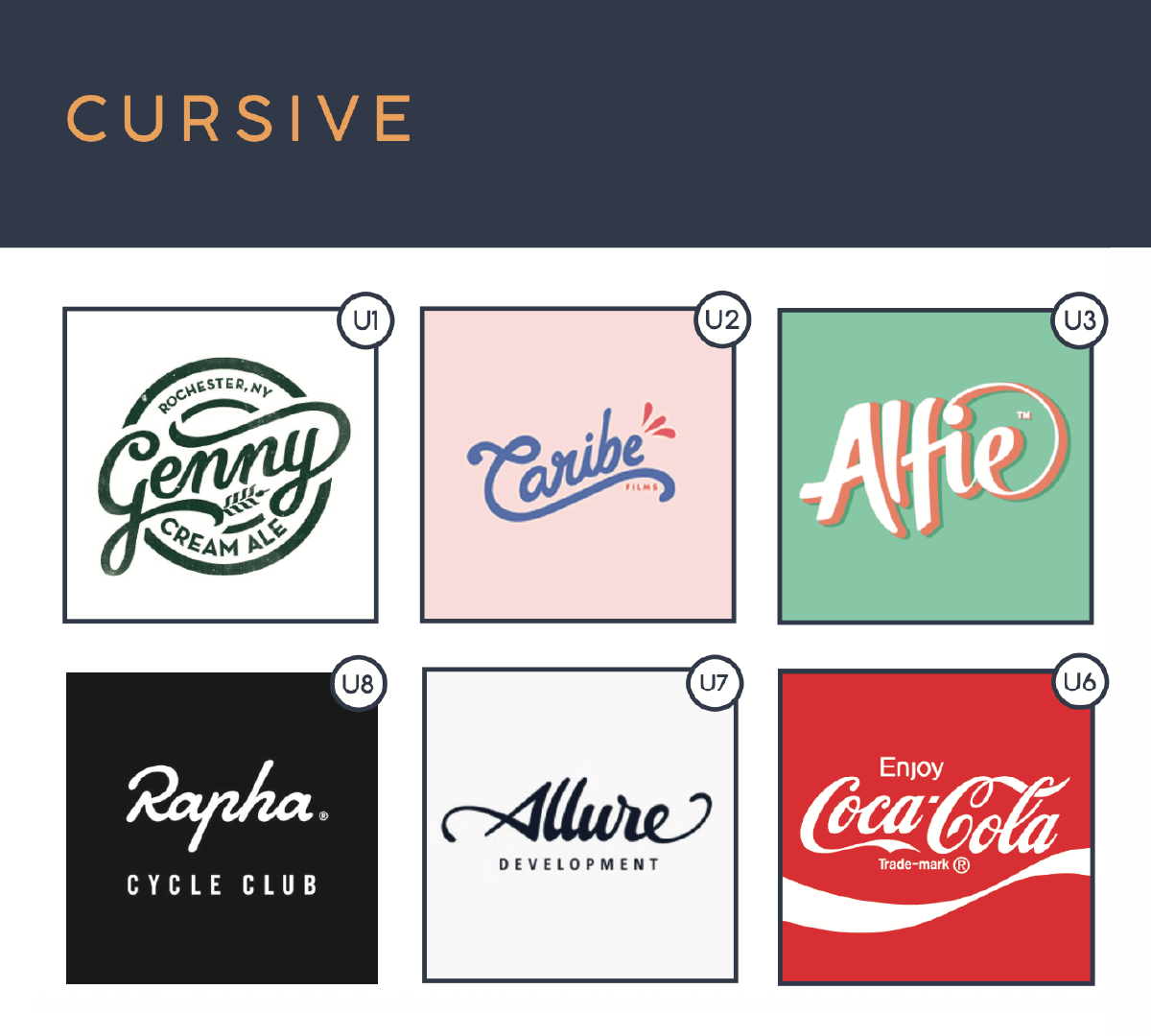
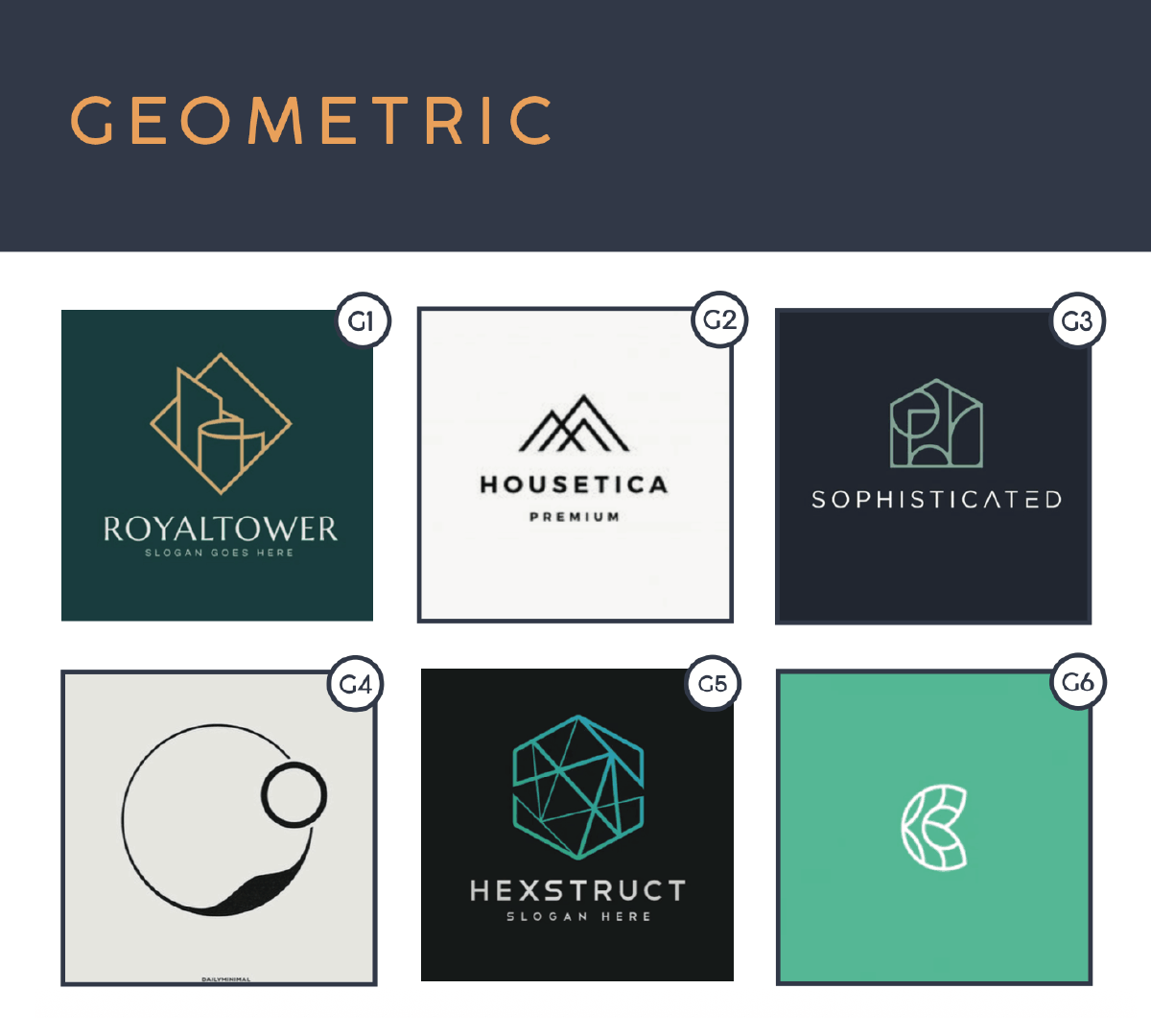
Excerpts from the Design Menu
The results of my organizational overhaul compounded. Smoother operations led to better deliverables, which built a stronger brand. An 11-point drop in customer churn translated to 22 clients retained each month, at the peak of our growth. For the first time, EMA could keep the clients our sales team won and, from a creative perspective, deliver on the promises that brought them in. Higher quality assets and faster turnaround times meant clients were happier, left better reviews, and spread the word about our work.
The foundation that steadied client relationships now smoothed internal ones, too. With clear project ownership, standardized handoffs, and workflows built around what each contributor did best, designers and project managers had a process they could rely on — one that set them up for success. Internal turnover slowed, and clients began praising not just the work, but how smoothly the process felt from brief to delivery.